What Is a SPUD? A Guide to Rezoning Infill Lots in Oklahoma City
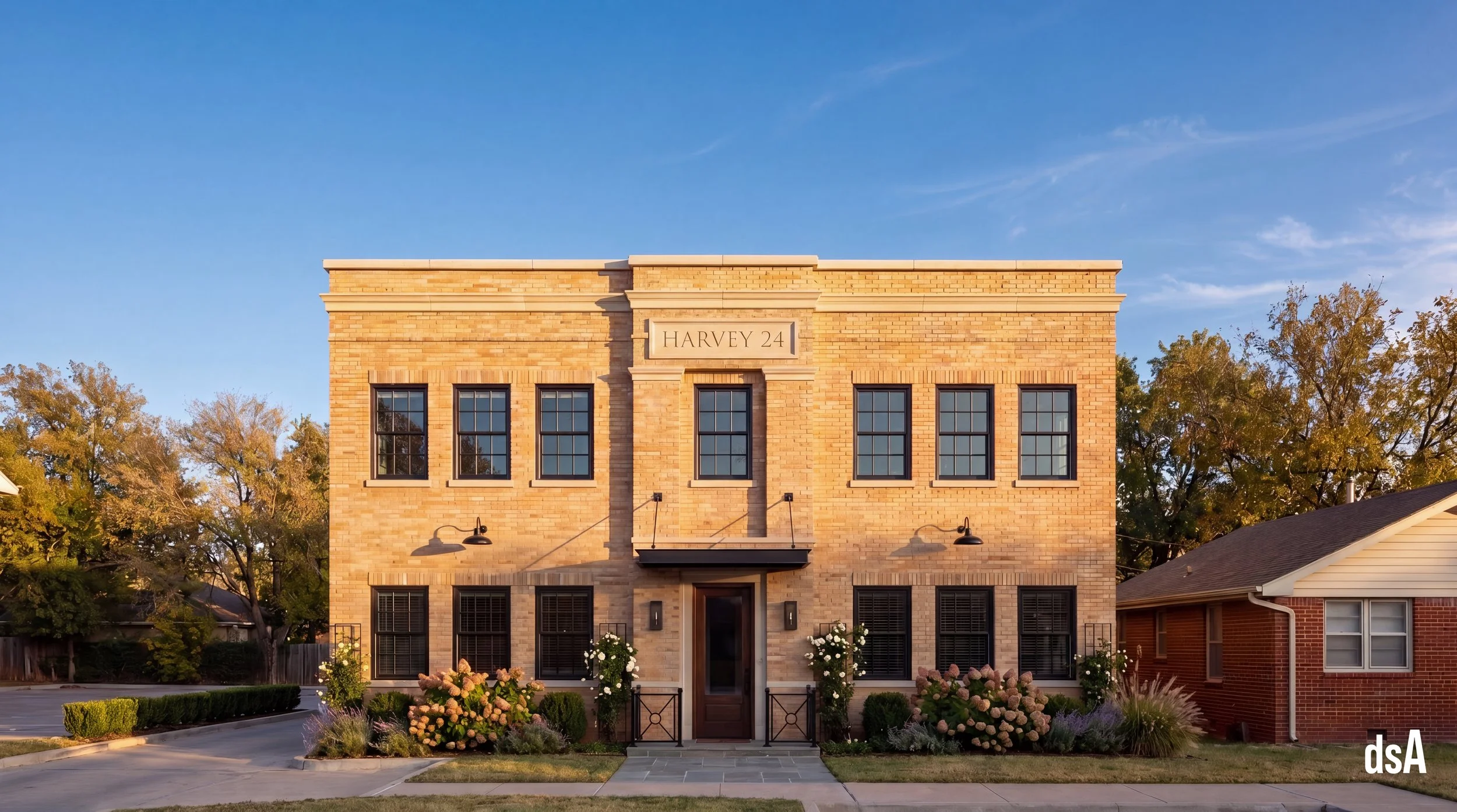
If you’ve ever found a great infill lot in Oklahoma City — the right block, the right bones — only to discover the zoning won’t let you build what the site is asking for, you’ve run into the problem a SPUD is built to solve.
What is a SPUD?
SPUD stands for Simplified Planned Unit Development — a rezoning tool in Oklahoma City’s zoning code. Instead of forcing your project into a one-size-fits-all base district (R-4, C-3, and so on), a SPUD lets you write a custom set of zoning standards tailored to one specific site. You’re essentially proposing the rulebook your project will be held to, lot by lot.
That makes it the right instrument for the kind of work base zoning handles badly: small multifamily, mixed-use, and infill projects that don’t quite fit the district they sit in but are exactly what the surrounding neighborhood and the city’s growth plan are calling for.
When do you actually need one?
You need a SPUD when your project requires a deviation from what the base zoning allows. The most common reasons we see:
Density — more units than the base district permits on the lot.
Height — a design taller than the by-right limit.
Lot width or area — an older platted lot narrower than current standards assume.
Parking — a reduction that fits an urban, walkable context.
Use — mixing uses (say, ground-floor commercial under residential) the base district won’t allow together.
If your project complies with base zoning on every count, you don’t need a SPUD — and we’ll tell you so. When it doesn’t, a SPUD is usually faster and more predictable than a full rezoning or a pile of individual variances.
What does filing involve?
Every SPUD comes down to one core document: a Master Design Statement — the written set of standards and the case for them. Around that, the process runs roughly like this:
Pre-application with the City’s planning staff to confirm scope and use units.
Master Design Statement and exhibits prepared and filed (Oklahoma City takes submittals several weeks ahead of a hearing date).
Notice to neighbors — property owners within 300 feet are formally notified.
Planning Commission hearing — staff issues a recommendation and the Commission votes.
City Council for final action.
Filed cleanly, a typical SPUD moves on the order of a couple of months from filing to approval. Filed sloppily, it stalls — incomplete applications don’t even get docketed.
Why an architect should lead it
Here’s the part most people get backwards: a SPUD isn’t a paperwork errand to hand to a generic consultant. The entitlement and the design are the same argument.
A SPUD is approved on whether your deviations are justified — and the strongest justification is almost always that the project conforms to Oklahoma City’s adopted comprehensive plan, even where it diverges from older base zoning. Making that case well takes someone who understands both the design intent and how it reads to planning staff. The Master Design Statement is, in the most literal sense, a design document.
When the same firm draws the building and writes the entitlement, the height you’re asking for, the density you’re proposing, and the form you’re designing all tell one coherent story. That’s what earns a clean staff recommendation — and it’s why we’ve built SPUD navigation into what we do.
We file SPUDs
We handle the OKC SPUD process end to end — pre-application through Council — for builders, developers, and owners with an infill lot that doesn’t quite fit its zoning. Architect-led, fixed-scope, and built to clear the hearing the first time.
Have a lot that’s fighting its zoning? Let’s talk.