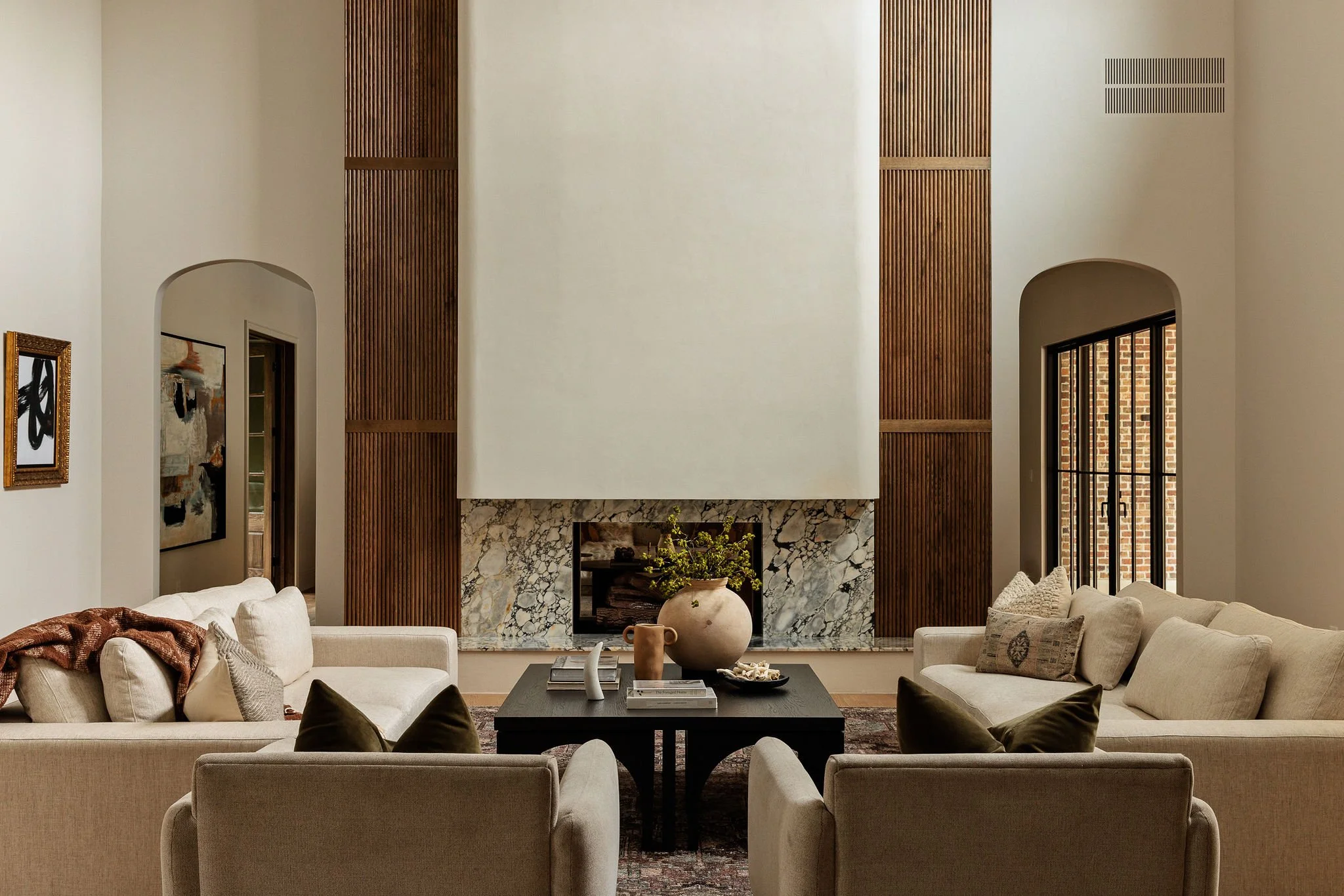
What Actually Makes a Home Feel Timeless
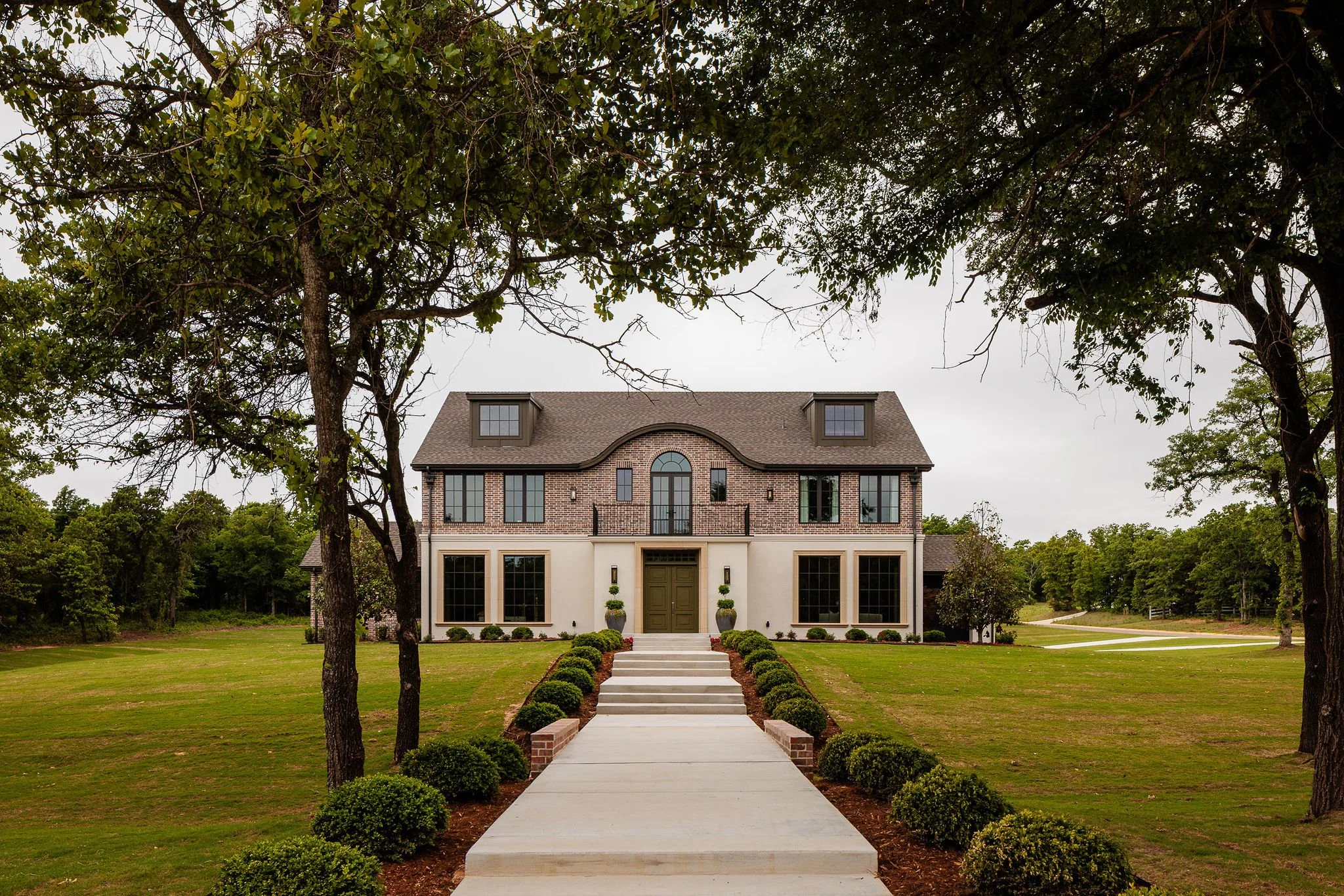
Adero Residence, 2026 Parade of Homes Best Design Over 2M
Walk through a house from the 1970s that still feels current, and walk through one that feels dated—even if both are beautifully built. The difference isn’t materials. It’s not square footage. It’s not even whether you prefer the aesthetic.
It’s restraint.
Timeless homes don’t chase the trend of the moment. They don’t layer in every material choice that’s popular right now. They commit to a clear material palette, a consistent spatial idea, and they let those carry the weight. Twenty years from now, the space still feels coherent because it wasn’t built on trends; it was built on proportion, light, and material honesty.
We see this play out in projects we’re working on now. The homes that will look strong in a decade are the ones with:
A clear material story. Not five different finishes competing for attention. Two or three materials that build throughout the house and feel intentional. Wood. Stone. Concrete. Paint. You know what you’re looking at and why.
Proportions that feel right, not fashionable. The ceiling heights, the window sizes, the way rooms relate to each other—they follow principles of human scale, not a moment’s Instagram aesthetic.
Spaces designed around how people actually live. Not how they Instagram their homes. A kitchen that works for real cooking. A bedroom that feels restful. A living room where actual conversation happens. Trends come and go. Livability doesn’t.
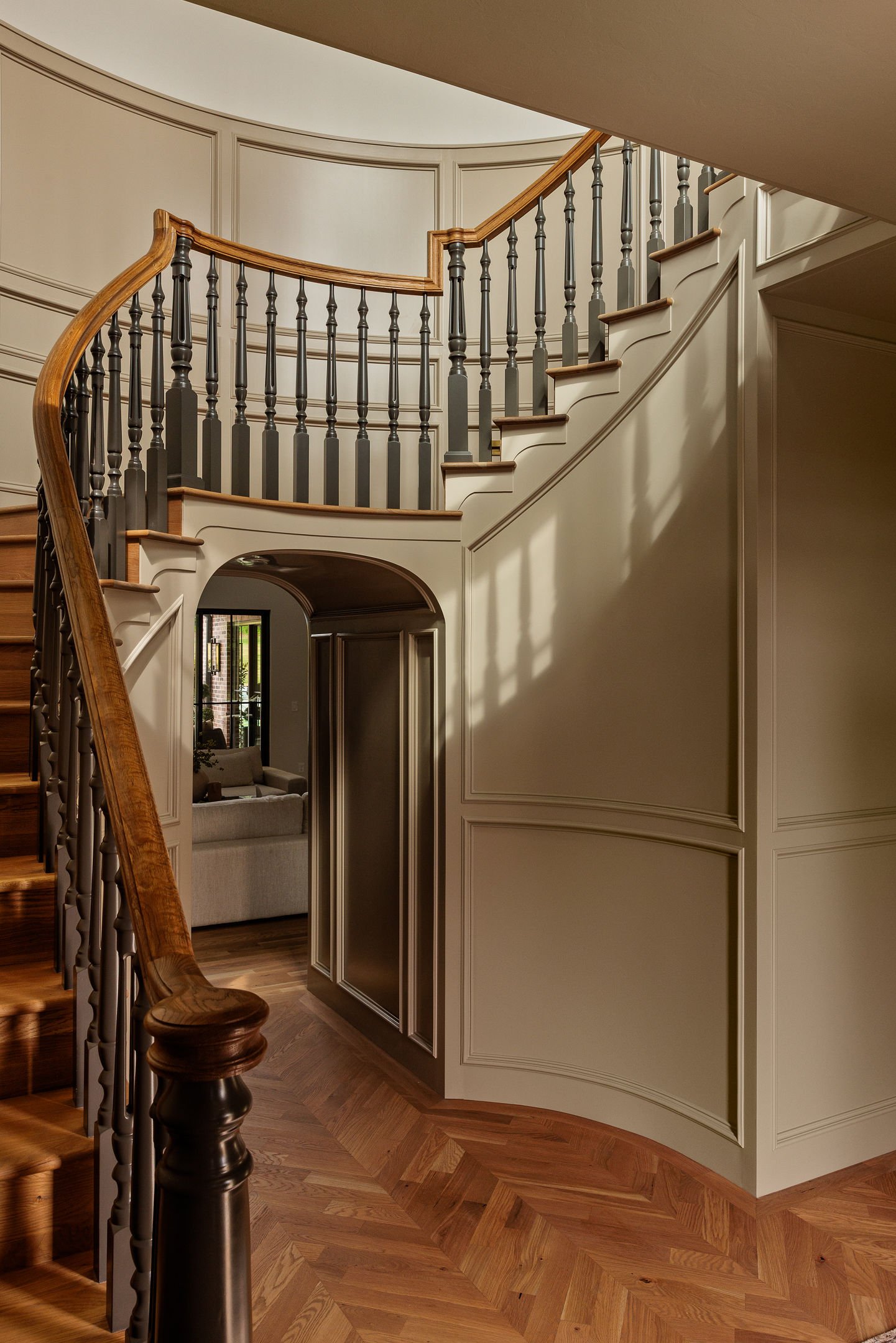
Restraint in the details. The baseboards aren’t ornamental. The hardware isn’t novelty. Every detail is there because it solves a problem or adds genuine quality, not because it’s decorative.
When we design a home, we’re thinking about what you’re going to feel like living in it fifteen years from now. Not what it looks like in a magazine next month.